PPWR: The new European packaging legislation is now in effect – is your supply chain ready?
Written by
Published on
May 28, 2026
.avif)
The European packaging sector is on the cusp of one of the biggest regulatory changes in decades. The Packaging and Packaging Waste Regulation (PPWR) entered into force on February 11, 2025, and will become fully applicable on August 12, 2026. The clock is ticking. That is why now is the time for companies to take action.
The message is clear: single-use packaging must give way to reusable, recyclable alternatives. And this doesn’t just affect consumer packaging on supermarket shelves – it affects the entire supply chain, from manufacturer to retailer.
At HB RTS, we help companies across Europe make their transport packaging smarter, more sustainable, and more efficient. The PPWR is accelerating this trend. And we’re here to guide you through the process.
What changes are coming for transport packaging?
When they hear "PPWR," many companies initially think of consumer packaging. But the regulation covers all types of packaging – including the transport packaging used to move products from point A to point B. For example:
- Cardboard boxes or crates for transporting products to retailers or distribution centers
- Pallets for transporting bulk goods
- Liquid bulk containers for transporting liquids
The key points of the new legislation: packaging must be reusable or easily recyclable. Unnecessary packaging materials must be reduced. And companies must be able to demonstrate that their packaging streams meet the new requirements.
Two trends you can already see in the market
From cardboard box to reusable crate
Many manufacturers and distributors still ship their products in cardboard boxes. Practical, familiar – but single-use. Every box you use becomes waste after a single shipment. The PPWR sets specific reuse targets for grouped packaging such as cardboard boxes: starting in 2030, at least 10% must be reusable, rising to 25% by 2040. That may seem small, but it marks a clear policy direction, and companies that make the switch now are leading the way.
A plastic folding crate or pallet box can withstand hundreds of uses. It stacks more efficiently, provides better protection for your product, and delivers significant long-term cost savings. Plus, you immediately reduce your waste stream – and thus your exposure to future regulations.
From wooden pallets to plastic pallets
Wooden pallets that are reused multiple times in a pooling system – such as EPAL pallets – are, in principle, already compliant with the PPWR. The switch to plastic pallets is therefore not a direct PPWR requirement, but a smart business decision that more and more companies are making for other reasons.
Wooden pallets break, absorb moisture, harbor bacteria, and are difficult to clean thoroughly. For companies in the food, pharmaceutical, or chemical industries, they also pose a contamination risk. Plastic pallets are more durable, more hygienic, and lighter. They last significantly longer, are easier to clean, and are fully recyclable at the end of their useful life. For sectors where hygiene and product safety are crucial, this is a logical and future-proof step – regardless of what the law specifically requires.
How exactly does HB RTS help?
HB RTS specializes in reusable transport packaging and pooling solutions. Our portfolio is directly tailored to the challenges you face as a manufacturer or distributor:
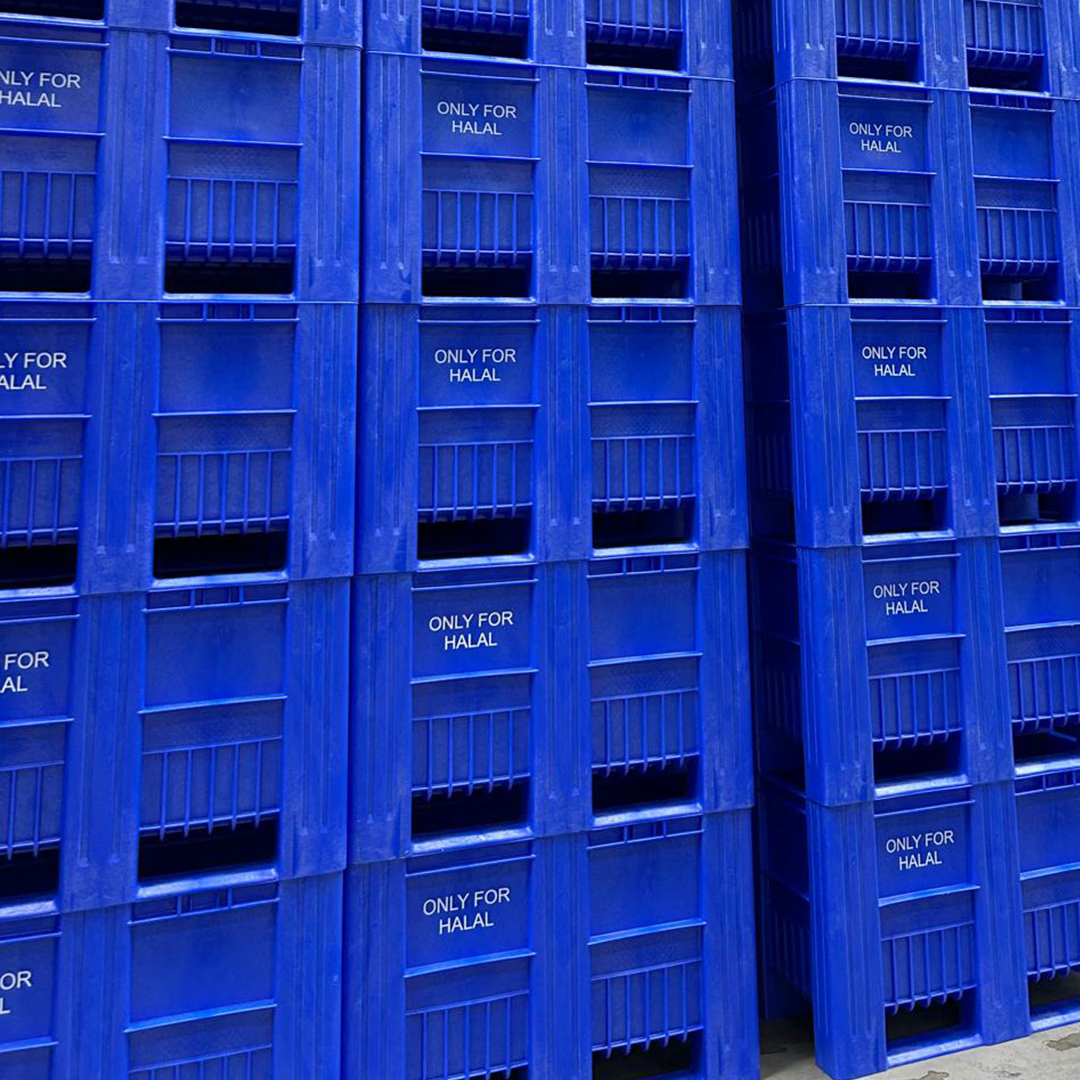
Pallet boxes and DolavsFortransporting dry or semi-dry bulk goods. Stackable, reusable, and suitable for open or closed pooling systems. Ideal for manufacturers who ship bulk goods to processors or retailers.
Liquid containers (IBCs)For the transport of liquids and viscous products. HB RTS offers both purchase and rental options and has an extensive network for return logistics. Less waste, lower costs per cycle, and less cleaning required compared to single-use alternatives.
Plastic crates and folding crates: The reusable alternative to cardboard boxes. Stackable, nestable, and suitable for virtually any product. HB RTS helps you choose the right size and system for your specific workflow.
Plastic pallets: Hygienic, lightweight, and durable. Particularly suitable for industries where cleaning and contamination prevention are critical, such as food, pharmaceutical, and chemical.
Pooling and renting: smarter than buying
A common mistake is buying large quantities of packaging for peak seasons or occasional needs. Those extra crates or pallets that you only need a few times a year – they just take up space the rest of the year and tie up your capital.
HB RTS offers pooling and rental solutions that ensure you always have the right packaging on hand, without the burdens of ownership. You pay for usage, not ownership. And you don’t have to worry about maintenance, storage, or return logistics – we take care of that.
Think of it like a company car: in the past, companies used to buy their entire fleet. Now, most of them lease – it’s more flexible, cheaper, and hassle-free. Exactly the same shift is taking place in the world of transport packaging. And with the PPWR on the horizon, that shift is only accelerating.
The deadline is approaching: get ready now
August 2026 may seem far off, but now is the time to prepare. Companies that adapt their packaging processes in a timely manner will not only avoid compliance issues – they will also build a more efficient, cost-effective, and sustainable supply chain.
HB RTS provides a practical assessment of your current packaging flows and concrete advice on the best next steps. Whether you’re considering switching from cardboard to crates, from wood to plastic, or want to optimize your existing pooling structure – we’re here to help.
Contact us today for a no-obligation consultation.


Stay up to date with our latest news

More insights from our expert
Explore our latest articles on logistics, packaging, and industry innovations.
.avif)
.avif)
%20(1).avif)



_compressed.jpg)